Inland Water Quality Reports
These community water‑quality reports are created by Barry Tranter (KERA Portfolio: Westlake River Water Quality). They give our neighbourhood an easy‑to‑understand snapshot of what’s happening in the Westlake River, Kirstenhof Duckpond, and Keysers River, especially after rain, flooding, or pollution events. While the City of Cape Town publishes its own official water‑quality results, those follow a monthly schedule and can take weeks to appear. KERA’s reports fill that gap by testing during real‑time events, helping residents see changes as they happen. Using simple chemical tests and bacterial Petrifilm plates, these reports highlight trends, flag possible sewage or stormwater issues, and support our shared goal of keeping local waterways healthy and safe for the community.
2026
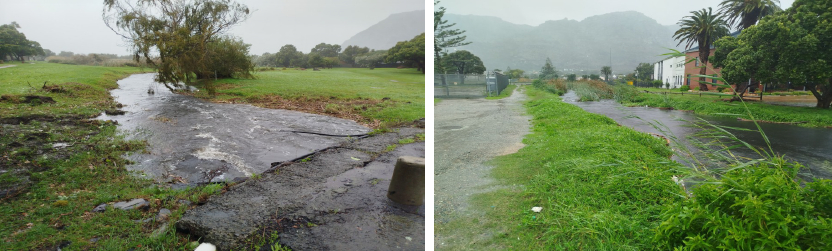
May 2026 Supplementary
Westlake River status following the May 2026 storms
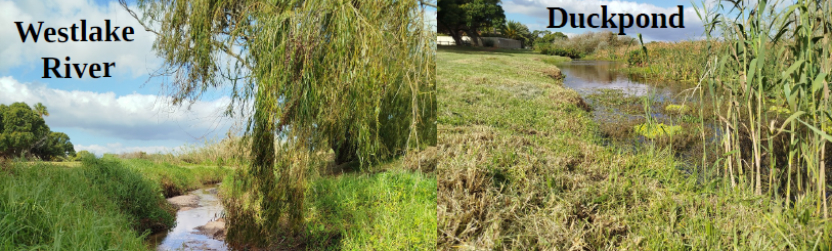
May 2026
2025
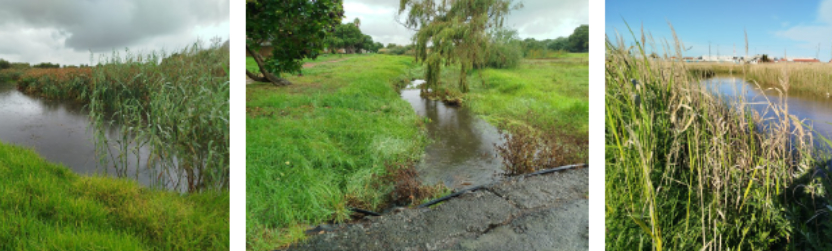
September 2025
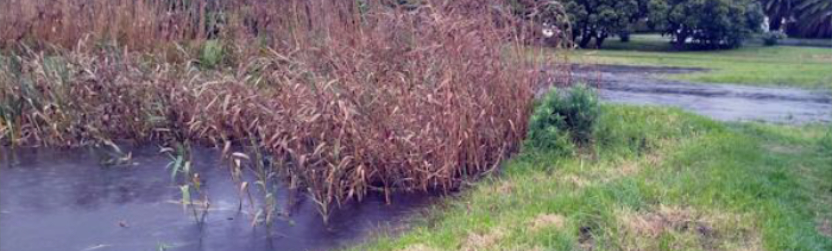
August 2025
June 2025
April 2025
FAQs
The City of Cape Town conducts official laboratory testing once a month using accredited facilities and trained technicians, and publishes the results on the Inland Water Quality Dashboard, often several weeks after sampling. KERA’s testing is independent and uses WaterCAN chemical strips and Neogen Petrifilm plates to collect results within a few days. Because KERA samples during specific events such as storms, spills, or sudden changes in water colour or smell, the reports often capture issues that fall outside the City’s fixed monthly schedule. The two sets of data complement each other: the City provides long‑term trends, while KERA provides immediate, event‑based insight.
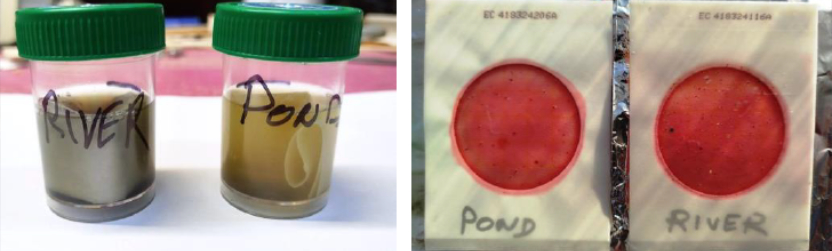
KERA uses simple chemical test strips to check pH, hardness, alkalinity, nitrate, nitrite, phosphate, chlorine, and bromine levels. These tests help identify whether rainwater dilution, fertiliser runoff, or chemical contamination may be present. For bacterial testing, KERA uses Petrifilm plates that grow red coliform colonies and blue E. coli colonies. These plates reveal whether sewage contamination or other bacterial pollution is present in the water.
E. coli is one of the most reliable indicators of sewage contamination. When E. coli levels are high, it often means that other harmful organisms—such as viruses, parasites, or dangerous bacteria—may also be present. Because it is not practical to test for every possible pollutant, E. coli serves as a useful warning sign for overall water safety.
Rainfall can wash sewage from leaking pipes into rivers, flush polluted stormwater drains, disturb contaminated sediment on the riverbed, or cause retention ponds and pump stations to overflow. Heavy rain can also overwhelm sewer systems, allowing untreated waste to enter waterways. This is why KERA tests immediately after rainfall, when pollution is most likely to appear.
Sewage pollution can come from leaking or blocked sewer pipes, illegal stormwater‑to‑sewer connections, failures at the Raapkraal pump station, overflows on the Pollsmoor Prison property, or stormwater washing contaminants into the river. Heavy rainfall can also mobilise polluted sediment that has settled in the riverbed or in the Pollsmoor retention dam. KERA reports these incidents to the City through the C3 system.
Residents can assist by reporting sewage smells, discoloured water, or pollution events through the City’s C3 reporting system. Joining community clean‑ups, avoiding dumping waste into stormwater drains, supporting alien‑vegetation clearing, and sharing these reports with neighbours all help protect our waterways. Community involvement strengthens the City’s efforts and contributes to the long‑term goal of becoming a Water Sensitive City by 2040.
